Not long ago, I watched a team leader do something that stuck with me.
She was running a session with her team— a mixed group, some seasoned, some newer — and someone raised a concern that had clearly been sitting unspoken for a while. It wasn’t a process issue or a data gap. It was about whether the direction they were heading made sense for the people who’d have to live with it.
The leader didn’t deflect. She didn’t jump to her slide deck. She put down her pen, looked at the person, and said: “Tell me more about what you’re seeing.”
What followed was one of the most productive conversations I’ve witnessed in a professional setting. Not because anyone had the right answer, but because one person created enough space for the real question to surface.
I’ve thought about that moment a lot since. Because no AI tool, however capable, could have done what she did in that room. Not because it lacked information. But because information wasn’t what the moment needed. It needed someone to be there, paying attention, willing to slow down instead of moving on.
That’s the thread I want to pull on here. For all the conversation about AI in the workplace, we’re not spending nearly enough time on the other side of the equation. What AI genuinely can’t. And whether we’re being deliberate about building those capabilities in our teams.
The “Soft Skills” Trap Organisations Fall Into
I work in workforce strategy. A big part of what I do involves thinking about skills — which ones matter, which ones are at risk, how organisations help their people grow. What I’ve noticed is that most organisations are actually pretty good at the technical side of this. They can tell you which roles need more data fluency, which teams need to get comfortable with new tools, where the automation exposure is highest.
What gets far less attention is everything else. The skills that don’t show up on a competency framework. The ones that are harder to measure and slower to develop. Things like the judgment to know when a situation needs more than a data-driven answer. The ability to have a genuinely difficult conversation without it going off the rails. The capacity to bring a group of people, who may not agree with one another, toward something they can all commit to.
These tend to get written off as soft skills, which is a bit of a trap. Calling them soft implies they’re secondary. They’re not. They’re just harder to teach, and harder to prove you have until the moment you need them.
The Complementary Nature of AI Capability and Human Capability
Here’s what I think the rise of AI is revealing, if we’re paying attention.
Every time a tool gets good enough to handle something we used to think required a person, it sharpens the question of what requires a person. The answer, increasingly, is this: the messy, contextual, emotionally loaded situations where there’s no clean input and no obvious output.
Judgment calls where the data doesn’t give you the answer. Conversations where someone needs to feel genuinely heard before they’ll engage with any solution. Moments where a team is stuck and what’s needed isn’t more analysis — it’s someone who can read the room and say the thing that shifts the dynamic.
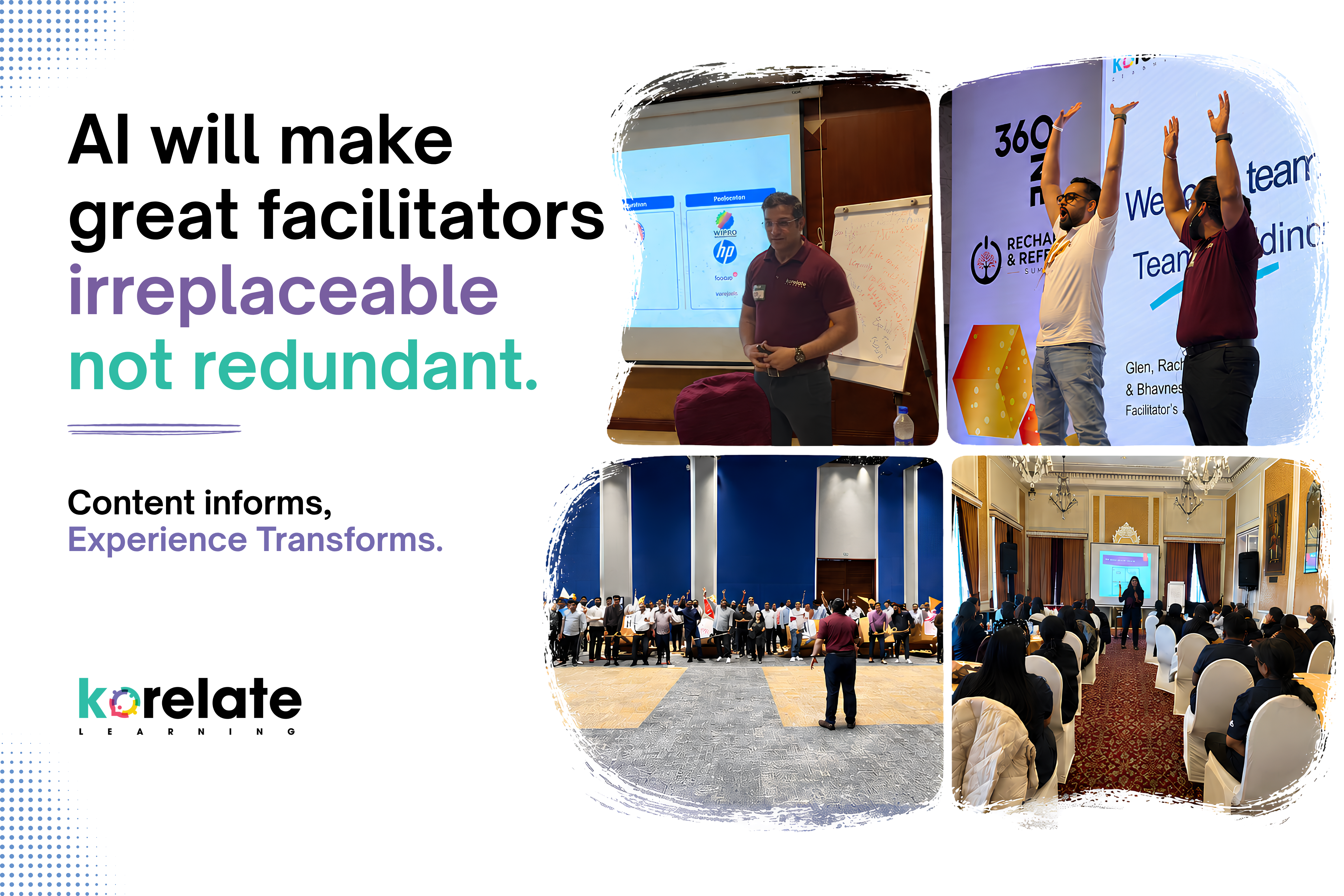
While AI is very good at a lot of things, it’s not good at any of these, at least not yet. The organisations that understand this— that see AI capability and human capability as complementary rather than competing— are the ones that will get the most out of both.
Five Skills That Are Worth Building Deliberately
What does this look like in practice? These are the capabilities I’d focus on if I were thinking seriously about building a team that stays genuinely effective over the long term.
1. Judgement
Not just decision-making, but the kind of judgment that comes from experience, from having been in difficult situations, made calls with incomplete information, and paid attention to what happened next. This is almost impossible to shortcut. It grows slowly, through real experience, and it’s one of the things that makes a senior person genuinely valuable in a way that can’t be replicated by a tool.
2. Empathetic Communication
I’d separate this from general communication skills, because it’s more specific than that. It’s the ability to understand what someone else is experiencing- not what you think they should be experiencing- and let that shape how you respond. This is what makes a hard conversation productive rather than damaging. It’s learnable, but it takes practice and honest self-reflection, and most of us don’t get nearly enough structured opportunity to develop it at work.
3. The ability to work through disagreement
Real collaborative problem-solving— not the kind where everyone is polite and nothing gets challenged, but the kind where people genuinely clash on something important and still find a way to move forward together. AI can generate options and summarise positions, but it can’t do the human work of helping people feel heard enough to shift their thinking. That requires someone in the room who knows how to hold tension without letting it collapse into conflict.
4. Storytelling and Influence
The ability to take something complicated and help another person genuinely understand and care about it. This isn’t really a presentation skill. It’s closer to a relational skill— it requires you to think carefully about where your audience is, what they’re worried about, and what kind of framing will connect. It’s one of those things where most people think they’re better at it than they are.
5. Resilience
I almost didn’t include this because it gets talked about so much that it has lost some of its meaning. But I think it’s real and it’s important— particularly the specific dimension of being able to stay functional and clear-headed when things are genuinely uncertain. Not performing calm but having enough internal steadiness to keep thinking well under pressure. Teams with this capacity handle change very differently from teams without it.
Why Organisations Struggle at Building These Skills
I think there are a few honest reasons.
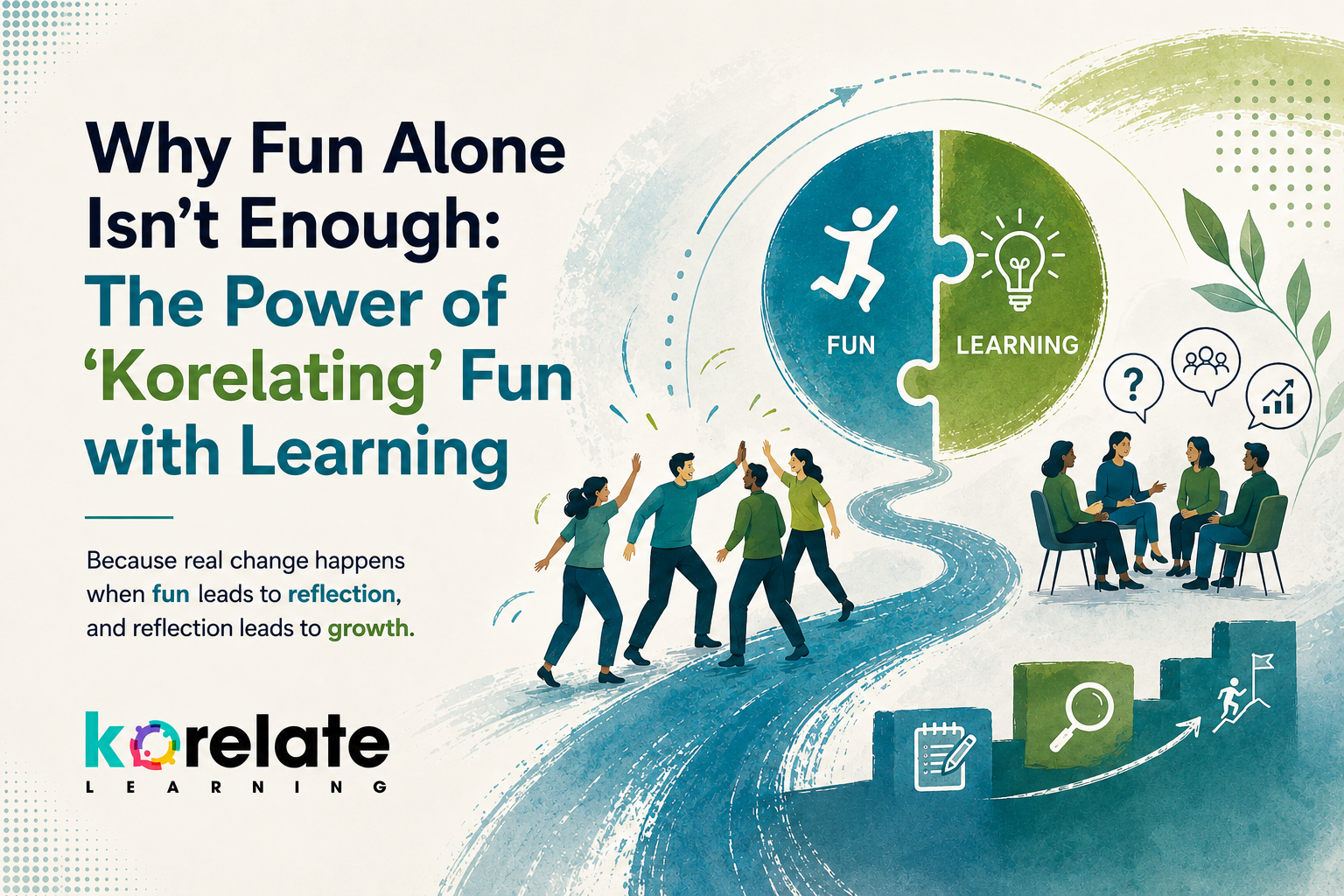
One is that these skills are uncomfortable to develop. You can’t get better at empathetic communication by reading about it. You get better by having conversations that challenge you, reflecting on what happened, and trying again. Most work environments don’t naturally create those conditions— and when they do, the learning often gets lost because nobody stops to reflect on it.
Another is that they’re hard to recognise and reward. If someone handles a tense team situation well, that might never show up anywhere. If they close a deal or ship a product, it does. Over time, that shapes what people invest in developing.
Then there’s a culture piece too. A lot of organisations still implicitly penalise the behaviours that these skills require— admitting you don’t know something, showing that a situation affected you, asking for help. Yet those are exactly the behaviours that growth depends on.
What Business Leaders Can Do About It
None of this requires a new programme or a budget line. It mostly requires paying a different kind of attention.
- Slow down after significant moments— good and bad: Ask your team what they learned about themselves, not just about the project. That kind of reflection is where a lot of the real development happens, and it’s almost free.
- Resist the impulse to solve things too quickly: When someone brings you a hard problem, your first instinct might be to help by offering an answer. But if you always do that, you’re quietly preventing the kind of struggle that builds judgment. Try asking questions instead and see what happens.
- Normalise honest feedback as a regular thing, not a formal event: The more often your team practices giving and receiving real input — not just positive reinforcement — the better they get at it. Leaders who model this create teams where it becomes ordinary.
- Give people genuine exposure to unfamiliar territory: Stretch assignments, cross-team projects, time with a different part of the business. This isn’t just good for career development — it’s how people build the breadth that makes them effective in ambiguous situations.
- Pay attention to how people work, not just what they produce: If the only thing that gets recognised is output, people optimise for output. When you notice and acknowledge the quality of someone’s thinking, or how they handled something difficult — you signal that those things matter too.
A Real Competitive Advantage
We’re in the middle of a genuine shift in what work asks of people. That’s not hype; it’s something I see playing out in real organisations every day. AI is taking on more of the structured and predictable work, and what’s left— what keeps growing in importance — is everything that requires a person to show up fully.
The leader I described at the beginning of this piece wasn’t special because she had more information than anyone else in the room. She was effective because she knew how to be present with people in a way that made them feel safe enough to say what they really thought. That’s a skill. It can be developed. And it’s worth taking as seriously as anything else on your team’s development agenda.
The organisations that will navigate the next few years well are the ones that don’t treat these capabilities as background noise. They’re the ones that make building them part of how they lead— not because it’s a nice idea, but because they understand it’s becoming a real competitive difference.
By Kassiopia Chaudhuri
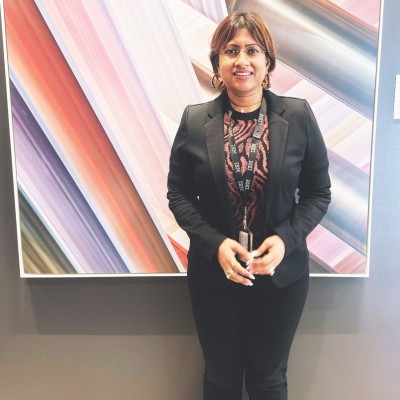
Kassiopia Chaudhuri, an experienced HR Leader with two decades of experience, is currently Associate Director, Human Resources at IBM. Her portfolio spans global talent strategy, AI-driven HR transformation, skills and career architecture, and leadership development. Passionate about shaping the future of work, she is also pursuing a Doctorate in Business Administration from Golden Gate University, San Francisco. In her leisure she enjoys writing and travelling. She has recently published her debut collection of poems, “Echoes in the Quiet”.