Designing Learning Programs That Actually Drive Behaviour Change
A few days ago, we were on a client call for a half-day learning workshop.
The client was excited and energetic. They wanted the session to be “high energy,” “fully engaging,” and packed with activities. Very quickly, the conversation moved toward fitting three major activities into a 3–4 hour workshop.
On paper, it sounded exciting.
But somewhere during the conversation, we felt a small concern.
Not because activities are bad. In fact, we strongly believe experiential learning creates some of the deepest impact inside organisations.
But because sometimes, in the effort to make workshops engaging, organisations accidentally overload them.
Too many activities.
Too many concepts.
Too little reflection.
Too little application.
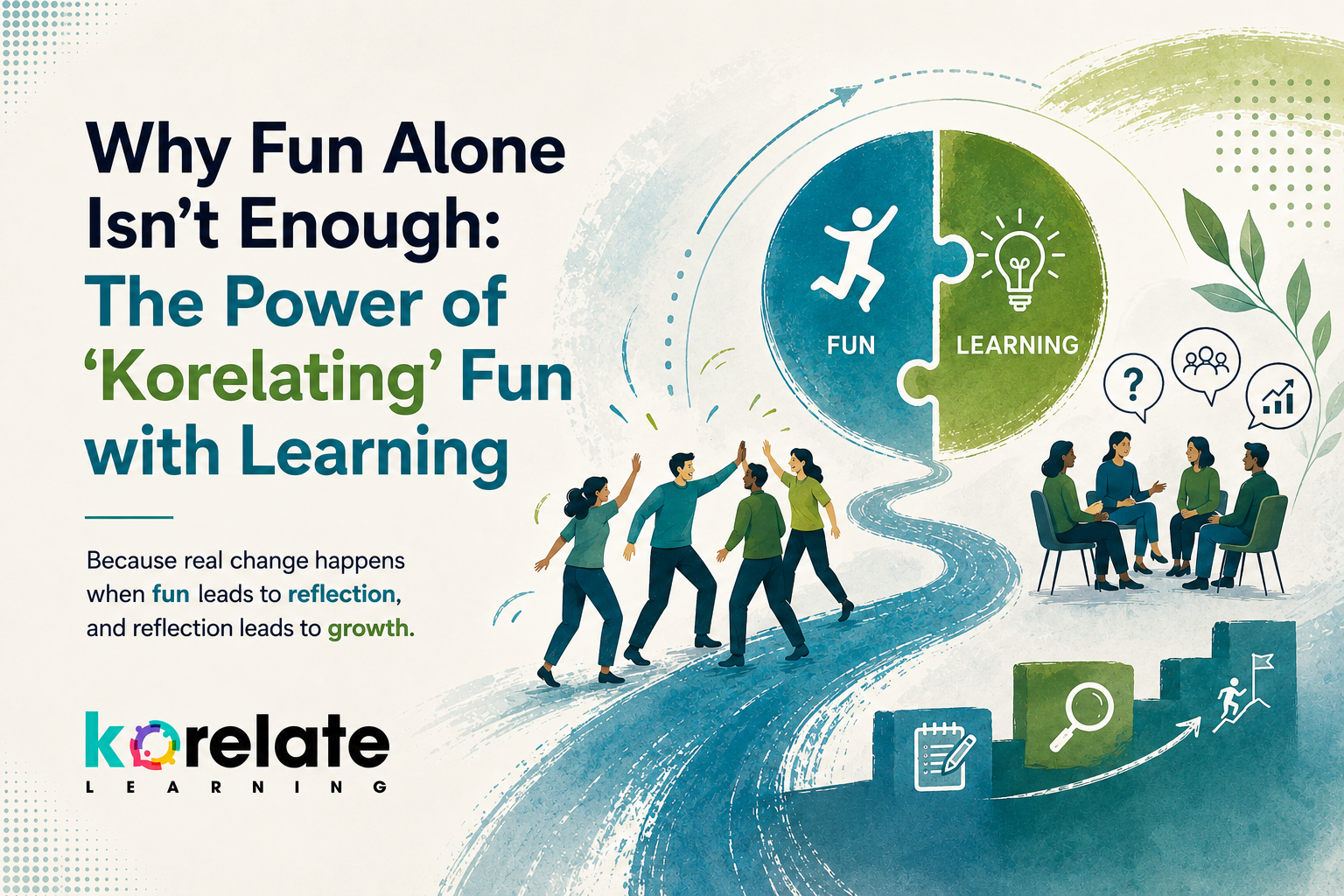
And that often leaves people entertained for a few hours but unchanged afterward.
It reminded me of something we’ve observed repeatedly while designing workshops across organisations.
The most successful learning programs are not necessarily the ones with the most content or the highest energy.
They are the ones designed with intention.
In my experience, here are five things HR and L&D leaders should keep in mind while planning learning or engagement workshops.
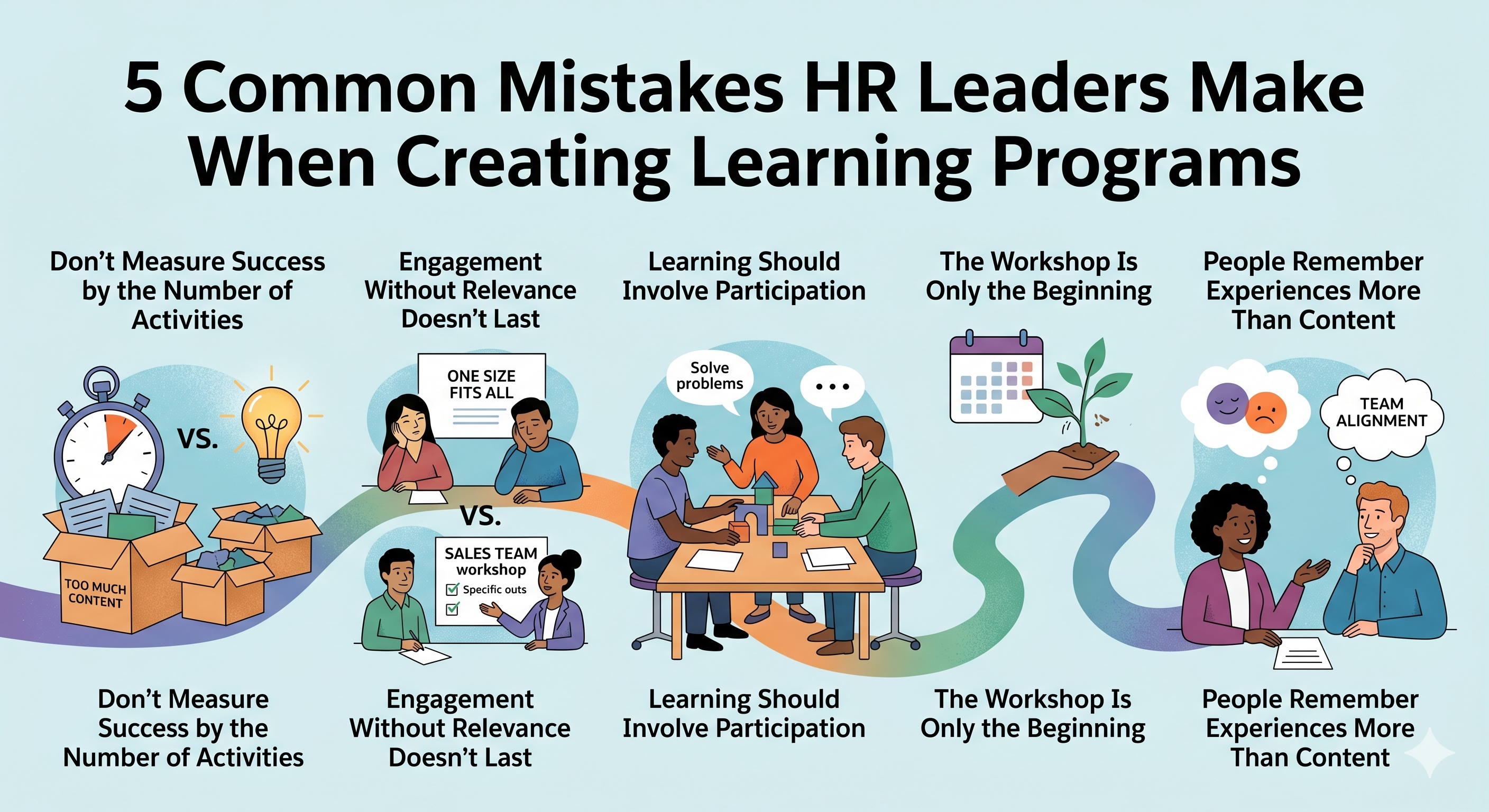
1. Don’t Measure Success by the Number of Activities
More activities do not automatically mean more learning.
Sometimes, one powerful experience followed by reflection and discussion creates far deeper impact than rushing through three different exercises.
A workshop should not feel like a race against time.
The real question is:
What should people walk away thinking, feeling or doing differently?
When outcomes are clear, the design becomes sharper and more meaningful.
2. Engagement Without Relevance Doesn’t Last
People enjoy fun sessions.
But they remember sessions that feel relevant to their work and challenges.
A sales team may need influence and collaboration.
Managers may need coaching and difficult conversation skills.
Leadership teams may need alignment and trust-building.
When every team gets the same workshop regardless of context, learning starts to feel generic.
The more customised the experience feels, the higher the ownership and application afterward.
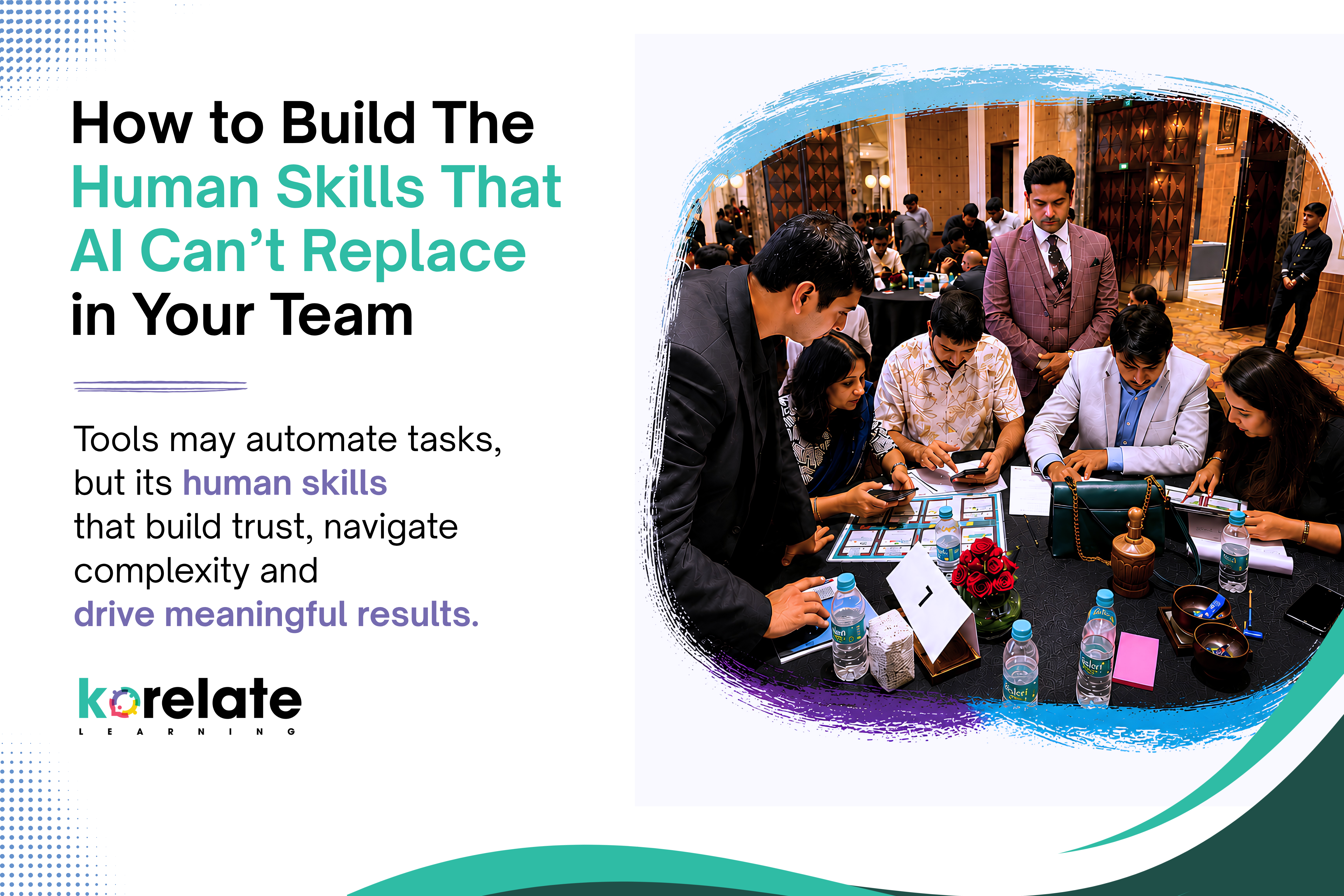
3. Learning Should Involve Participation, Not Just Observation
One of the biggest mistakes organisations make is turning learning into passive listening.
People don’t learn deeply by sitting through slides for hours.
They learn when they:
Discuss.
Debate.
Solve.
Experience.
Reflect.
That’s why experiential learning works so effectively.
When people physically and emotionally participate in learning, concepts become memorable and actionable.
The workshop should not feel like information being delivered to participants.
It should feel like something participants are building together.
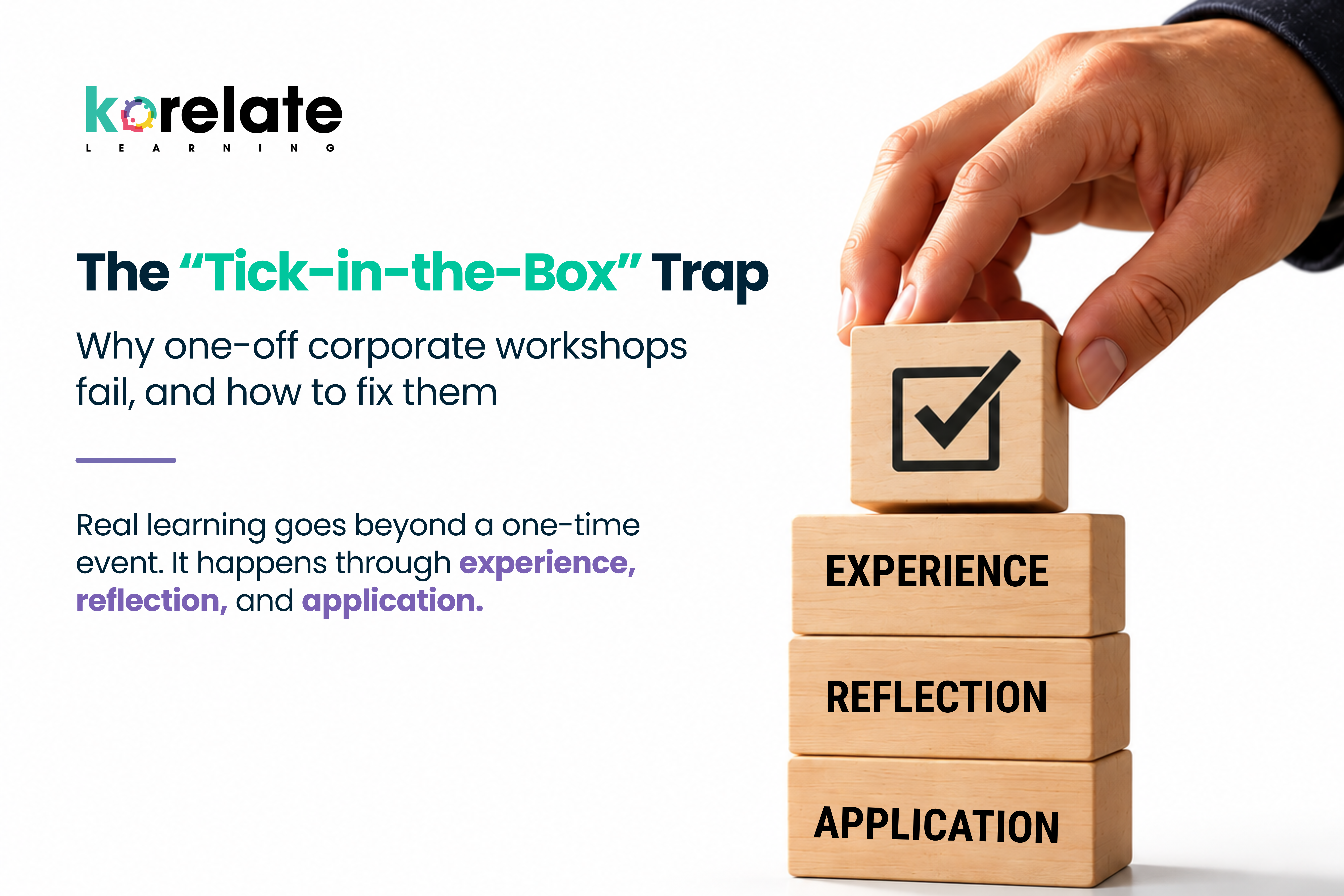
4. The Workshop Is Only the Beginning
One session alone rarely creates lasting behavioural change.
Without reinforcement, most people naturally return to old habits within days.
That’s why post-workshop follow-through matters so much.
The best learning journeys include:
Reflection exercises
Action commitments
Manager involvement
Follow-up conversations
Reinforcement nudges
Real transformation happens after the workshop — when learning starts showing up in everyday conversations, decisions and team interactions.
5. People Remember Experiences More Than Content
Most participants won’t remember every framework or slide.
But they will remember:
How the session made them feel.
Whether they felt included.
Whether they reflected deeply.
Whether meaningful conversations happened.
Whether the experience connected to real workplace challenges.
That emotional connection is what creates retention.
Great workshops are not content-heavy.
They are experience-rich.
And that experience is what ultimately drives behaviour change.
Final Thoughts
Today, organisations are investing heavily in learning, engagement and culture-building initiatives.
But the real impact doesn’t come from doing “more.”
It comes from designing experiences intentionally.
Sometimes fewer activities with stronger reflection create more growth than an overloaded agenda.
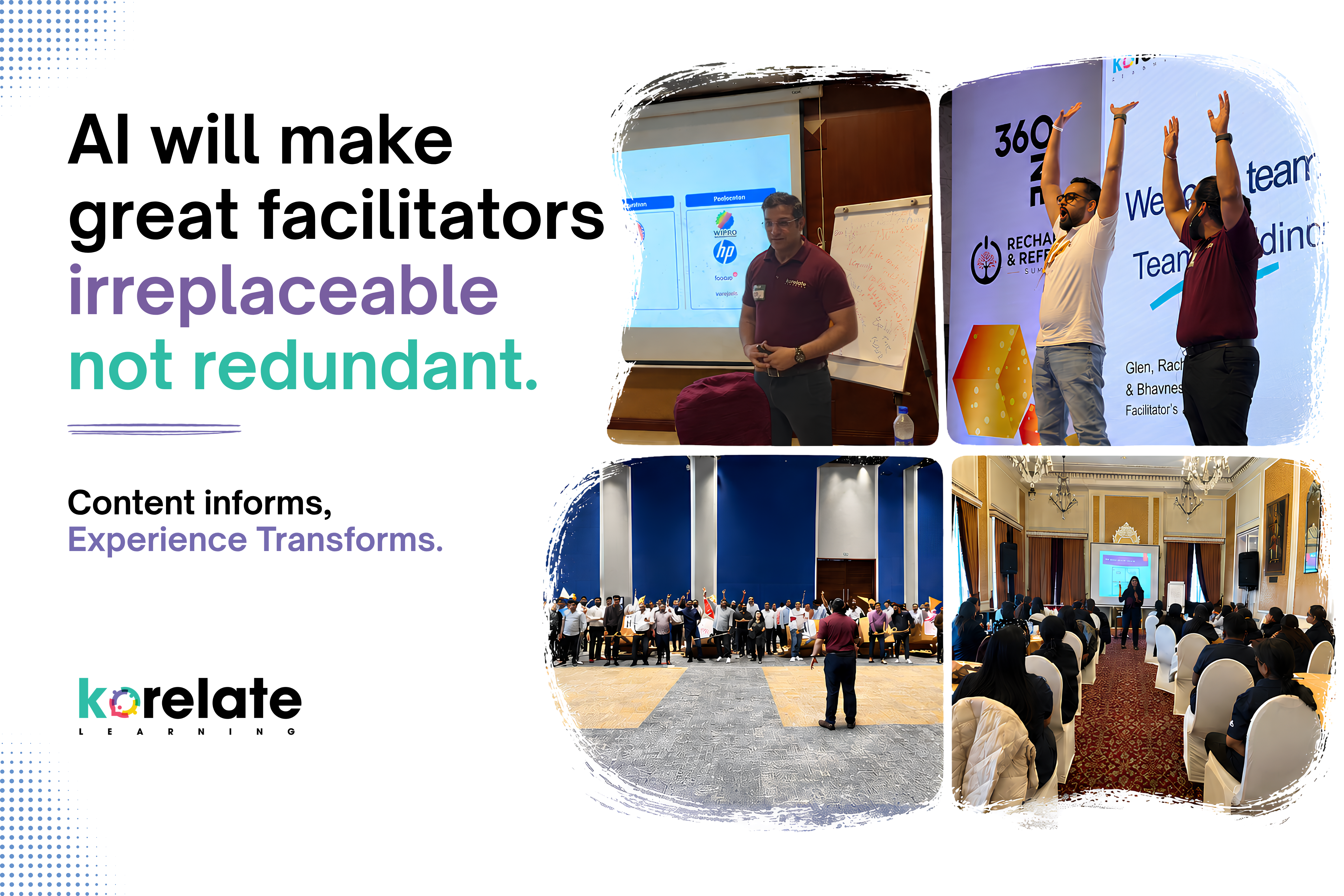
At Korelate Learning, we’ve seen that the most meaningful learning happens when people don’t just hear concepts, they experience them, discuss them and apply them together.
Because learning sticks best when it feels human.
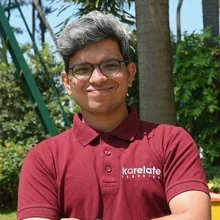
Avadhut is a Co-Facilitator at Korelate Learning with a background in HR recruitment and a passion for building high-performance teams.
He is also a creative enthusiast skilled in photography, videography, and music, and enjoys football, DJing, and producing music.
Rooted in Mumbai with strong family ties, he brings energy, curiosity, and creativity to his work and life.